Making historical and environmental resources accessible to people with visual and hearing impairments
Making historical and environmental resources accessible to people with visual and hearing impairments - Photo gallery
Making historical and environmental resources accessible to people with visual and hearing impairments
Making historical and environmental resources accessible to people with visual and hearing impairments - Photo gallery
The Wilanów Palace Museum has carried out extensive work, so that all visitors, including those with special needs, have an unlimited opportunity to view the exhibits without assistance and to explore the only Baroque royal residence in Poland.
Although this is not always feasible due to the historic nature of the monuments and the associated conditions, we are constantly seeking new and interesting solutions to make knowledge on customs, culture, art and nature available to the largest-possible group of recipients, so that they can learn it in an active and fascinating way; also by participating in the events organised in the Wilanów Palace and gardens. Continuing these efforts is possible due to EU funding.
Within the project “Making historical and environmental resources accessible to people with visual and hearing impairments”, many practical and innovative aids have been prepared.
To cater for the needs of people with visual impairments, the following were provided:
- tactile maps of the Palace and its gardens,
- tactile catalogues customised for the visually impaired,
- tactile models of the Palace and its gardens,
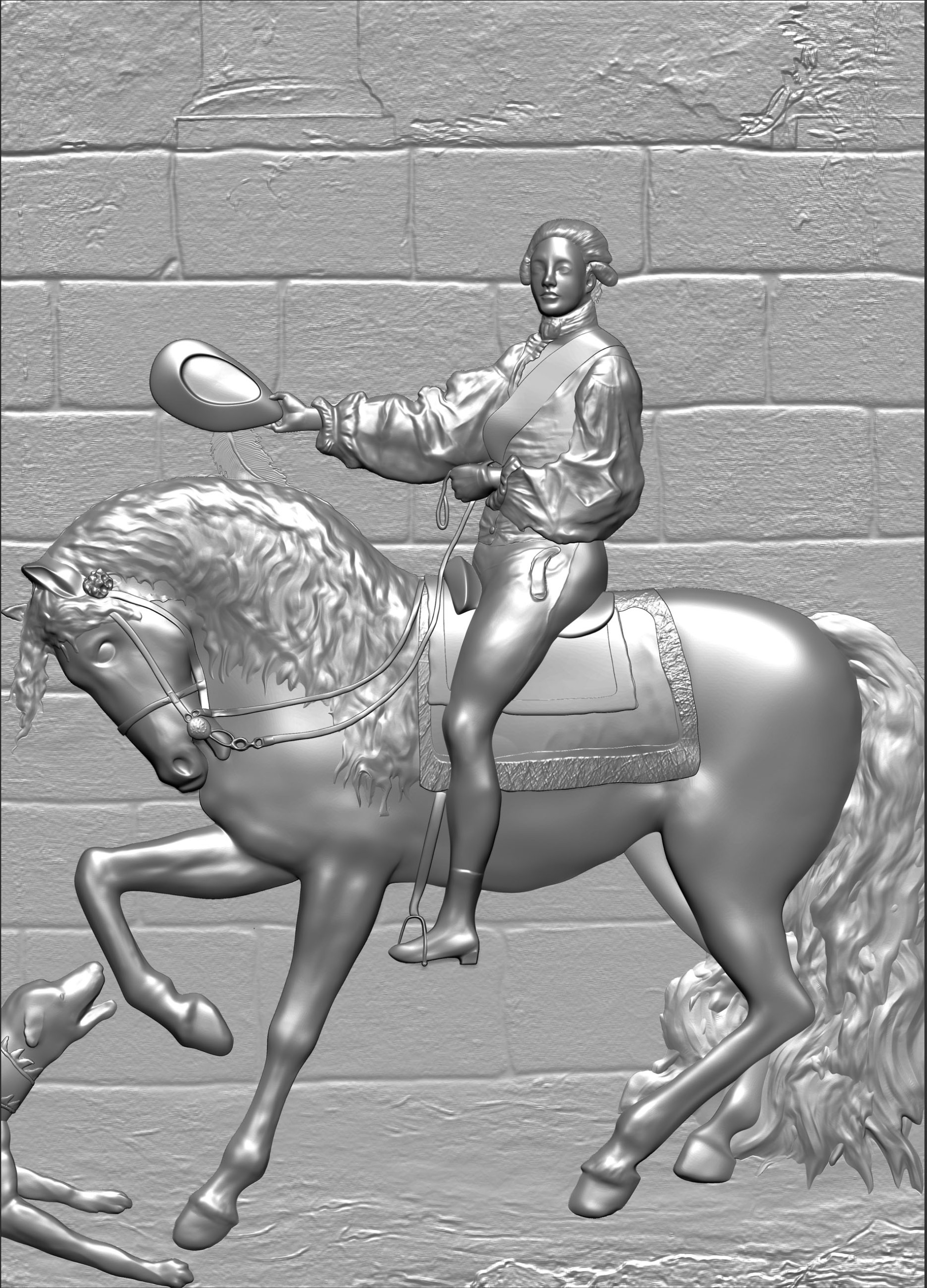
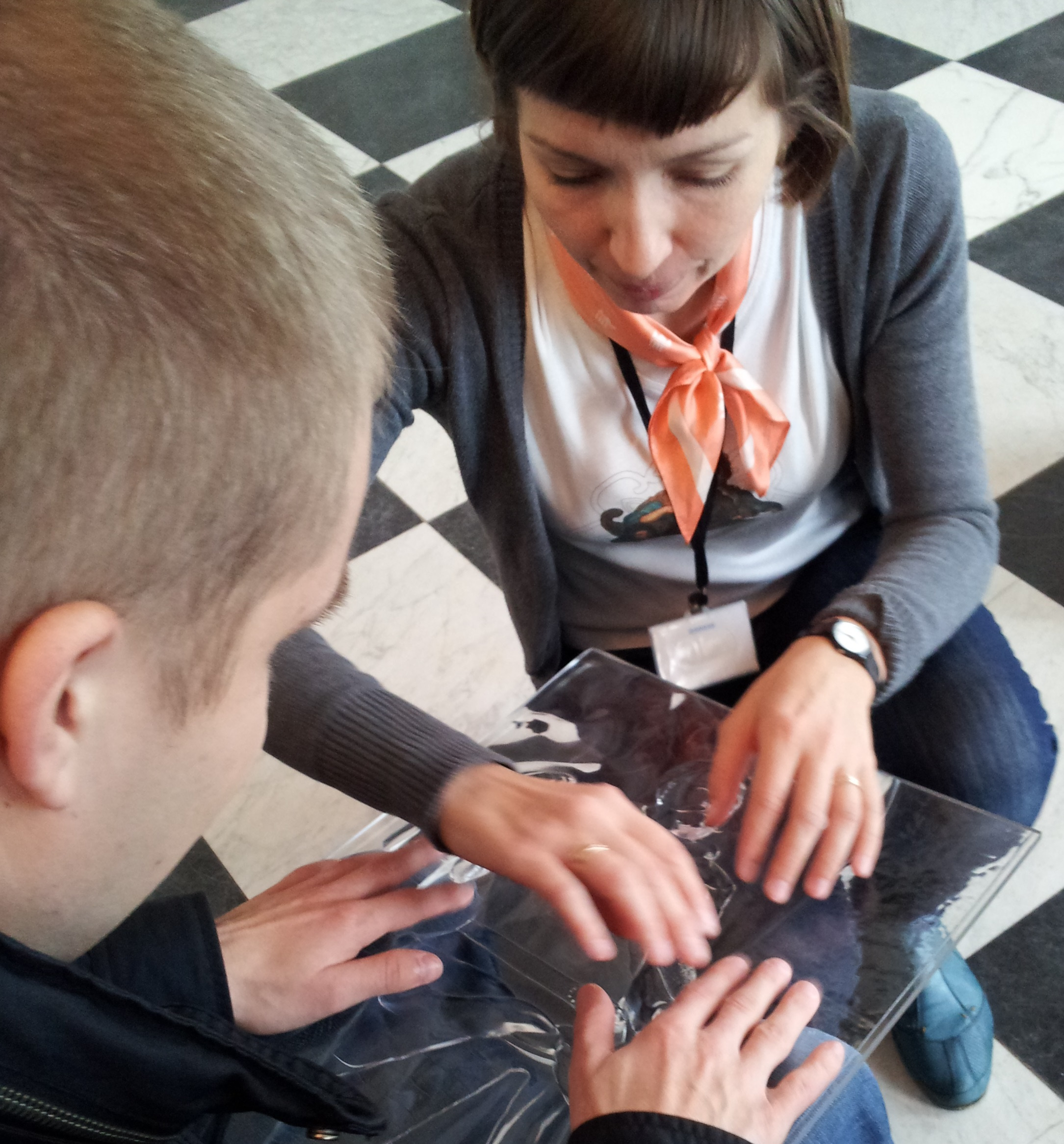
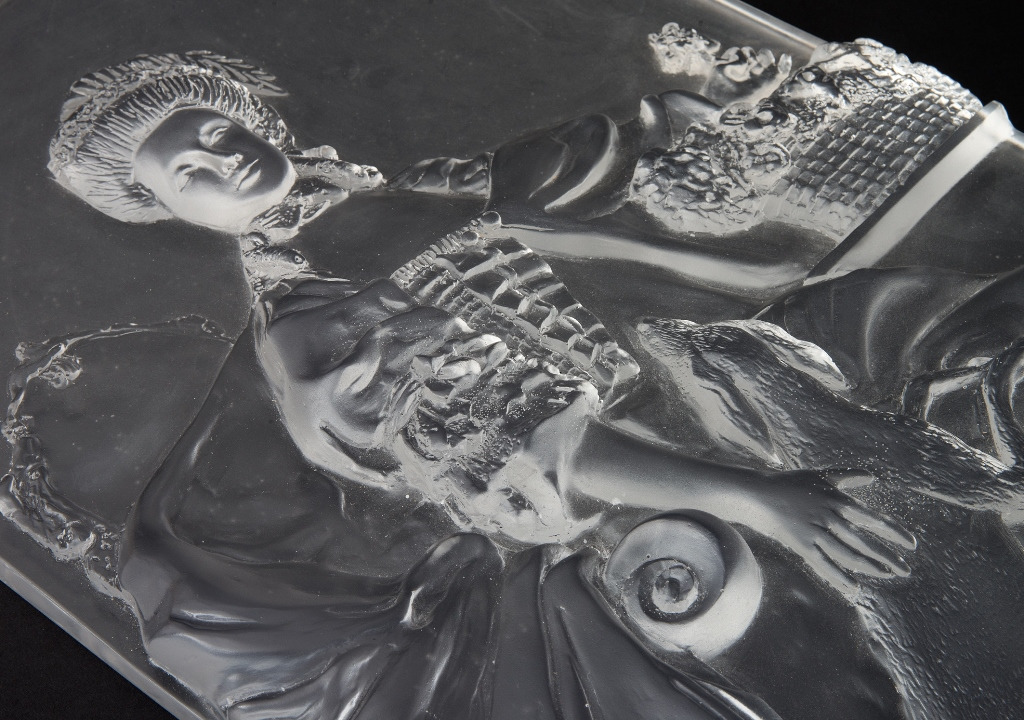
- tactile versions of selected paintings with audio descriptions,
- topic-based tours with audio descriptions, including tours for children,
- a Palace-and-garden guidebook in Braille.
You can learn more about publications and how to share them HERE.
The project contributed to developing signed content on the Museum’s vortal, available in the form of topic-based video tours used during the sightseeing of the Palace and the gardens. This has provided our hearing-impaired visitors with improved access to historical and environmental resources.
As part of the project, the Wilanów Guide application was prepared, which, thanks to translation into sign language, is available to deaf people, and thanks to, among others, supplementing the thematic paths with audio descriptions and the use of beacons, the application can be used by people with visual disabilities.
In addition, the project has made it possible to purchase various tools, including electronic magnifying glasses, a hearing loop for the ticket office and an interpreter booth.
We have produced a special map of the museum’s premises for people with motor impairments, including information about improvements and obstacles.