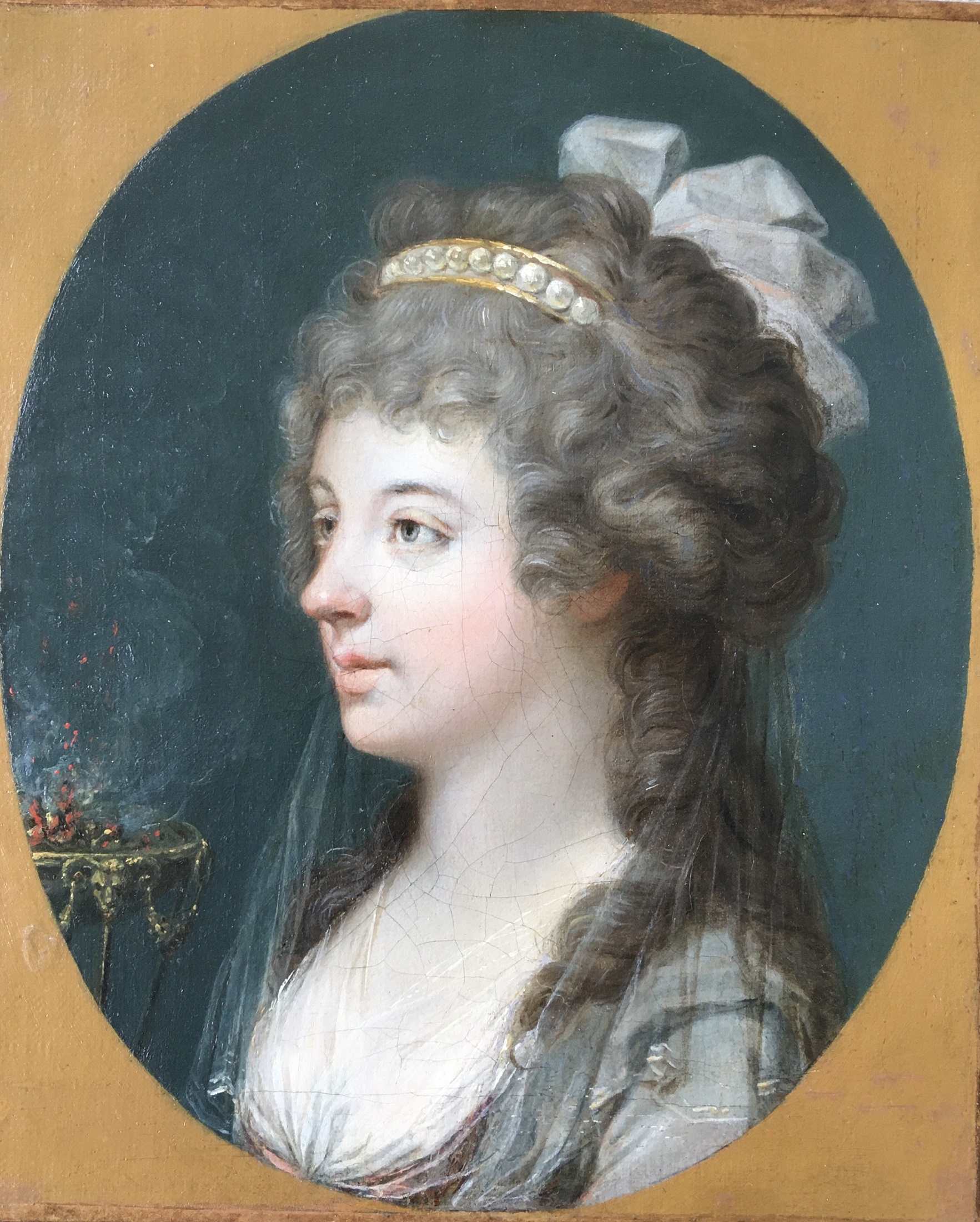
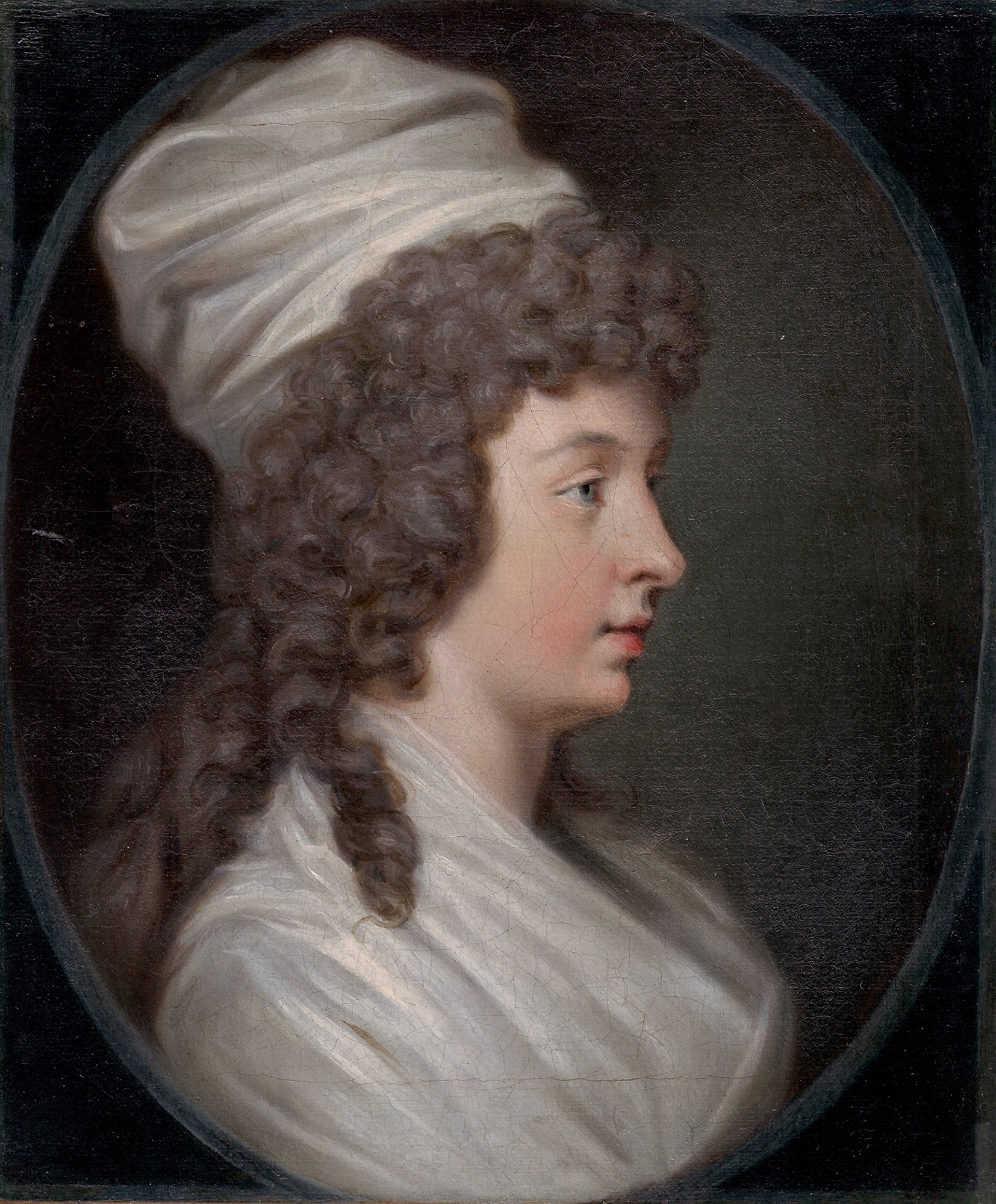
The Sobieskis and Stuarts. Portrait of Marie Victoire de Rohan, La demoiselle de Thorigny, unknown artist, c. 1800
The Sobieskis and Stuarts. Portrait of Marie Victoire de Rohan, La demoiselle de Thorigny, unknown artist, c. 1800 - Photo gallery
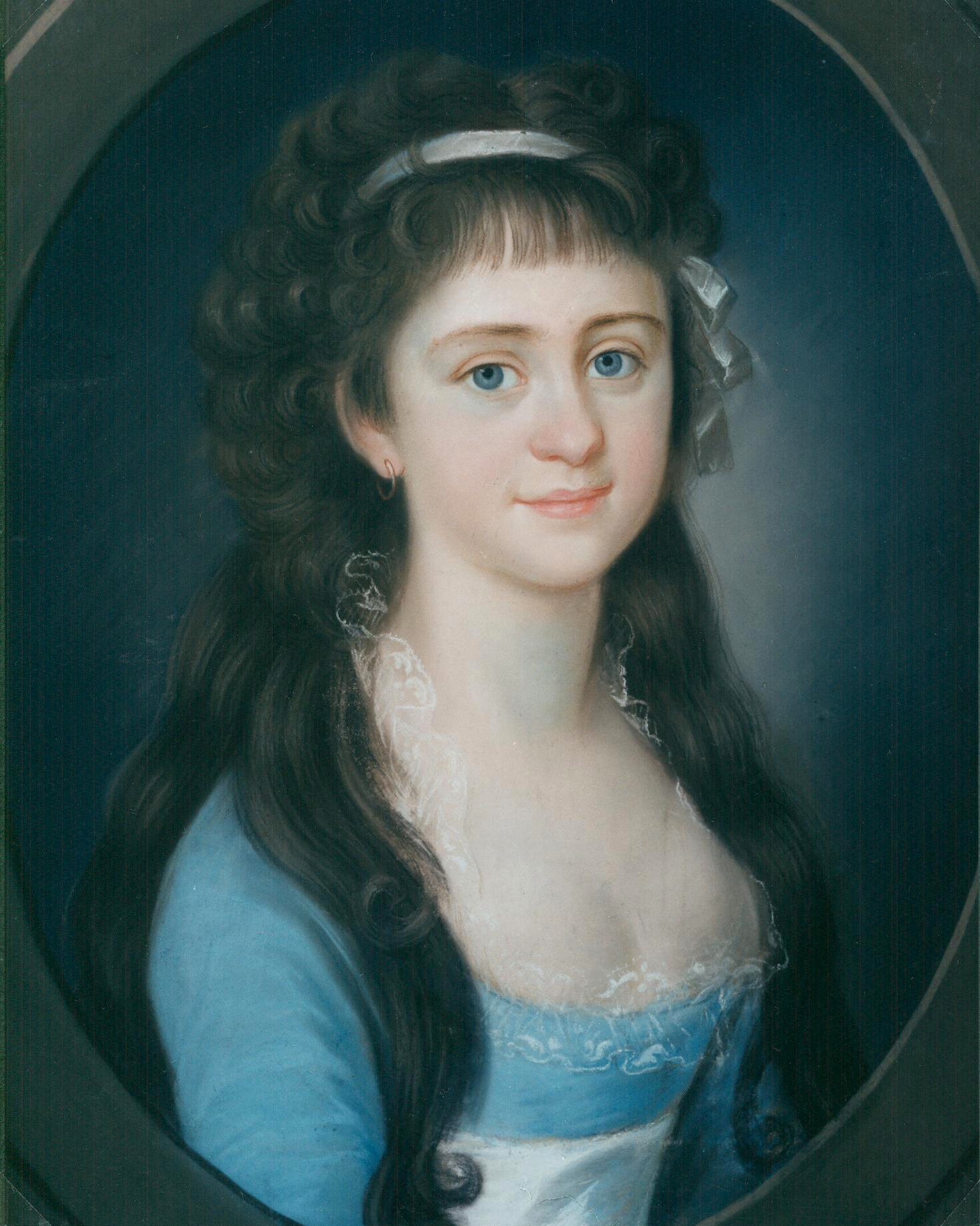
The Sobieskis and Stuarts. Portrait of Marie Victoire de Rohan, La demoiselle de Thorigny, unknown artist, c. 1800 - Photo gallery
pastel on paper, c. 1800
private collection
Charlotte, the daughter of Charles Edward Stuart, had been forbidden by her father in 1775 to marry and begun an informal relationship with Prince Ferdinand de Rohan (1738–1813), the Archbishop of Cambrai. Between 1779 and 1784 she gave birth to three, possibly four, children. The oldest was Marie Victoire who, like her siblings, grew up in isolation due to her father’s ecclesiastical position. She was formally legitimised into the princely family of Rohan at baptism by the head of the family, Jules Hercule, Duke of Montbazon, the eldest brother of her natural father, who granted her the title of La demoiselle de Thorigny.
Jules Hercule’s wife Louise was the first cousin of Prince Charles Edward Stuart, being the daughter of Maria Karolina Sobieska, Clementina’s elder sister.
Until the outbreak of the French Revolution in 1789, Marie Victoire was raised in Paris by her grandmother, Clementina Walkinshaw, Charlotte Stuart’s mother. Marie Victoire’s natural father, Archbishop Ferdinand de Rohan, arranged her marriage to a member of the wealthy family of Nikorowicz, the Lwów-based bankers of the Princes Radziwiłł (Michał ‘Rybeńko’ and his son Karol ‘Panie Kochanku’). The Radziwiłł family was related to the Stuarts through Katarzyna Sobieska, sister of King Jan III.
This pastel portrait, painted around 1800, depicts Marie Victoire at the age of twenty-one, probably during her stay in Germany, where she fled from the Revolution.
The text was prepared on the basis of publications by Edward Corp and Piotr Piniński.
Featured articles
-
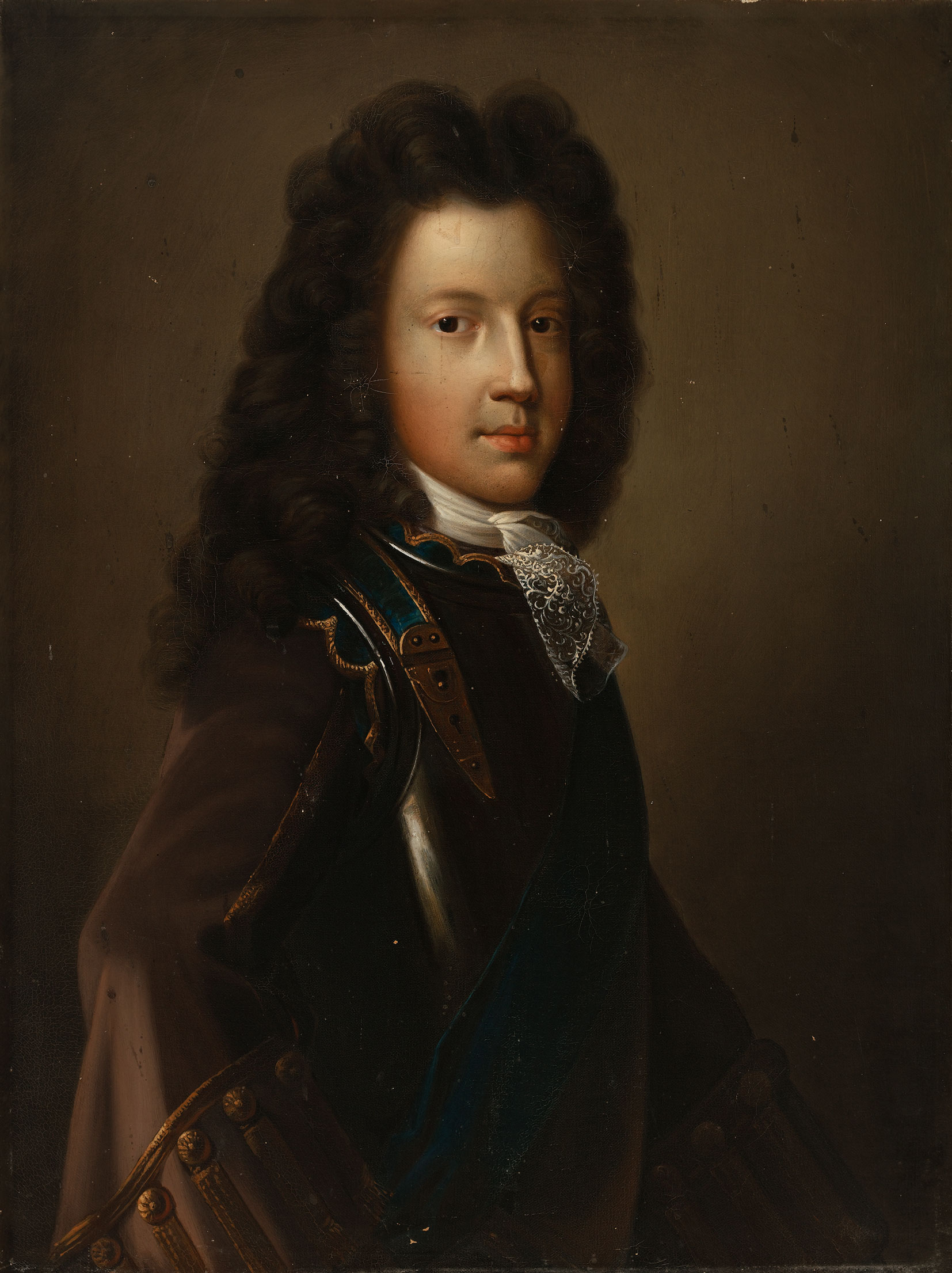
The Sobieskis and Stuarts. Portrait of Prince Jules-Hercule de Rohan, Duke of Montbazon, Johann Julius Heinsius, 1766
Jules-Hercule came from the powerful French family of sovereign princes Rohan. During the campaign to restore Prince Charles Edward’s father to the throne of England, Scotland, and Ireland in 1745–1746, he was aide-de-camp to Prince Henry Benedict.
-
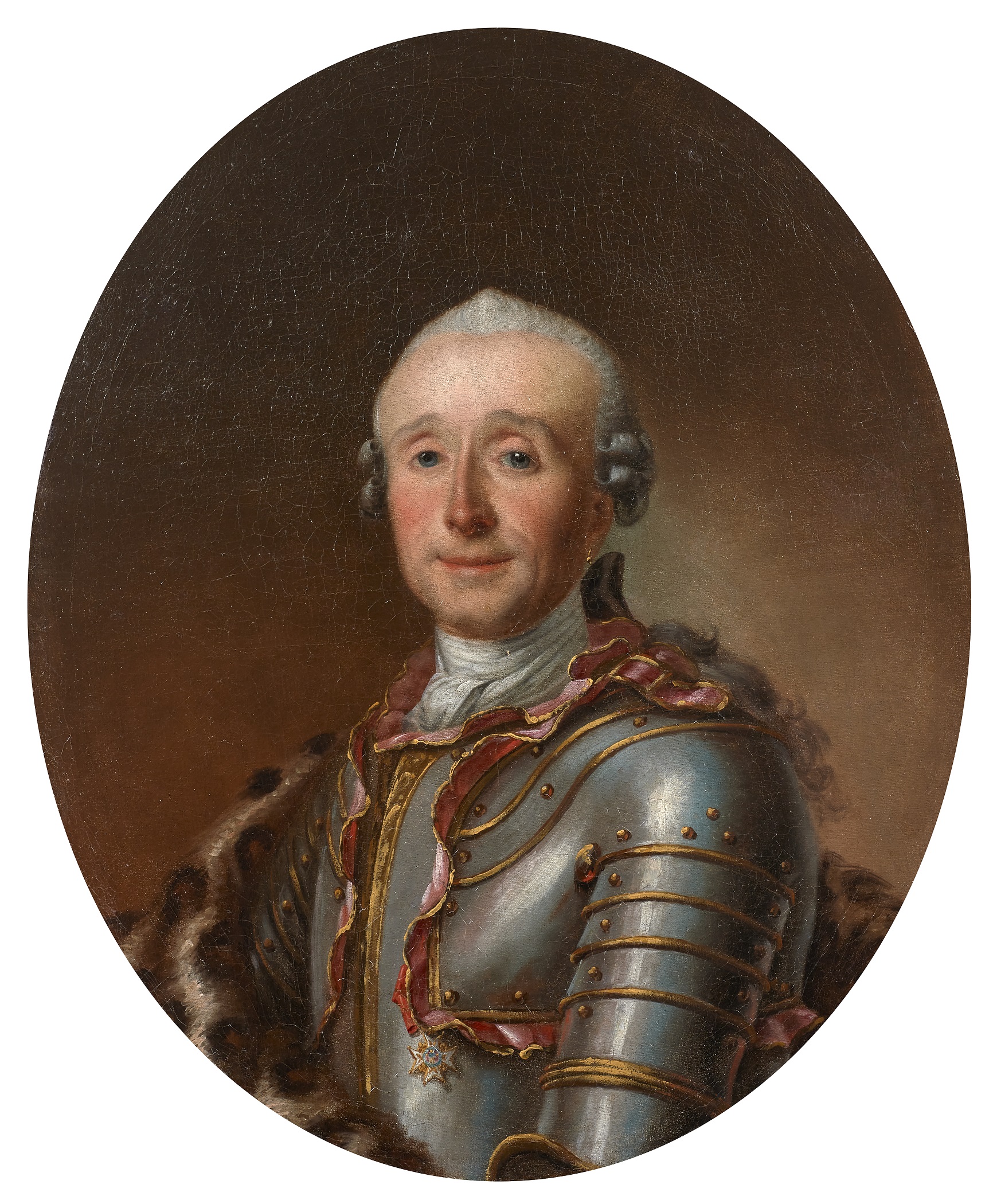
The Sobieskis and Stuarts. Portrait of Charlotte, Duchess of Albany, Hugh Douglas Hamilton, 1788
Charlotte Stuart (1753–1789), Duchess of Albany, was an illegitimate daughter of Charles Edward Stuart by Clementina Walkinshaw (1720-1802), a member of a Scottish noble family and named after Queen Clementina.
-
The Sobieskis and Stuarts. Portrait of Charlotte, Duchess of Albany, as a vestal virgin, François Dumont, 1788
François Dumont (1751–1831) is one of the most famous miniature painters in France, active in the late 18th and early 19th centuries